
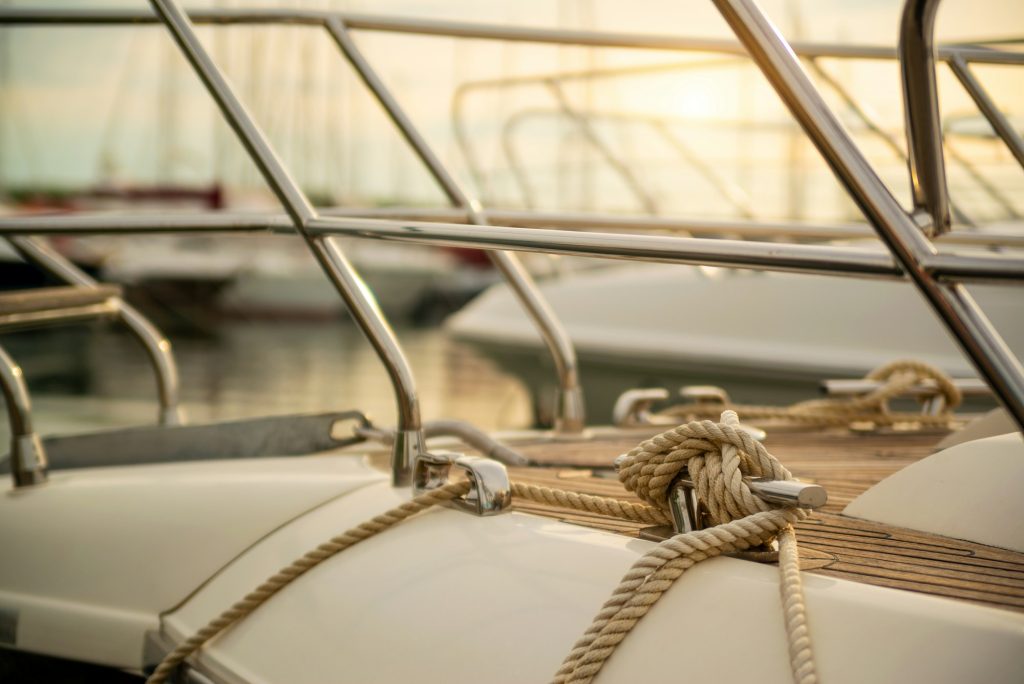
Anchoring is one of the most essential skills every boater should master. Whether you’re stopping for a swim, fishing in a favorite spot, or staying overnight, knowing how to anchor properly ensures your boat remains secure and stable. Understanding the right anchoring techniques can help you navigate different conditions and avoid common mistakes. Here’s a step-by-step guide to mastering anchoring techniques for a safe and stress-free boating experience.
1. Choose the Right Anchor
Selecting the correct anchor for your boat and the conditions is the first step to successful anchoring:
* Anchor Types: Common anchor types include the Danforth (fluke) for sandy or muddy bottoms, the CQR/Plow for grass or rocky bottoms, and the Bruce (claw) for general use on mixed bottoms.
* Anchor Size: Choose an anchor size based on your boat’s length, weight, and the conditions you expect to encounter. Larger boats and challenging conditions require larger, heavier anchors.
* Holding Power: Ensure your anchor has enough holding power for the conditions. Anchors are rated by their ability to hold a specific weight, so match your anchor to the weight and size of your boat.
2. Prepare Your Anchor and Rode
Before anchoring, make sure your anchor and rode (the line or chain that connects the anchor to your boat) are ready:
* Inspect the Equipment: Check your anchor, chain, and rope for any signs of wear or damage. Ensure all connections are secure and that the anchor is properly attached to the rode.
* Determine the Scope: The scope is the ratio of the length of the rode to the depth of the water. A 5:1 ratio is the minimum for calm conditions, while a 7:1 or 10:1 ratio is recommended for rough conditions. Measure the depth of the water and add the height from the waterline to your bow cleat to calculate the total depth.
* Prepare for Deployment: Coil your anchor line neatly on deck to prevent tangles. Ensure the anchor is ready to drop smoothly over the bow.
3. Select the Right Spot
Choosing the right anchorage spot is crucial for safety and comfort:
* Check the Chart: Use nautical charts to identify a suitable anchoring spot with an appropriate bottom type (sand, mud, or gravel) and adequate depth.
* Assess Wind and Current: Choose a location where the wind and current will keep your boat clear of hazards. Avoid anchoring where the wind and current are opposing, which can cause your boat to swing unpredictably.
* Maintain Distance: Ensure enough space between you and other anchored boats. Your boat will swing with changes in wind and current, so allow for adequate swing room to avoid collisions.
4. Position Your Boat
Proper positioning is essential for effective anchoring:
* Approach Upwind or Upcurrent: Approach the anchoring spot slowly from the direction of the wind or current. This gives you better control over the boat and helps you position it correctly.
* Come to a Stop: Stop the boat at the desired anchor location and hold it in position. Use reverse thrust to slow down and control your boat’s position while lowering the anchor.
5. Deploy the Anchor
Lowering the anchor properly ensures it sets securely:
* Lower, Don’t Throw: Lower the anchor gently over the bow, allowing it to descend vertically. Never throw the anchor, as this can cause tangling and improper setting.
* Let Out the Rode Slowly: Pay out the rode slowly as the anchor descends. Allow the anchor to reach the bottom, and then continue to release the rode as the boat drifts backward with wind or current.
* Set the Scope: Let out enough rode to achieve the desired scope ratio (5:1, 7:1, or more). Secure the rode to a bow cleat once the correct amount has been released.
6. Set the Anchor
Setting the anchor correctly is key to ensuring it holds:
* Reverse Gently: Once the anchor has reached the bottom, gently reverse the boat to help the anchor dig in and set firmly. Increase throttle gradually until you feel resistance from the anchor holding.
* Check the Hold: Look for signs that the anchor has set, such as the bow dipping slightly or the boat coming to a stop. Monitor the boat’s position using visual references, GPS, or radar to ensure it isn’t drifting.
7. Monitor the Anchor
Regular monitoring ensures the anchor remains secure:
* Check Your Position: Keep an eye on landmarks, shorelines, or use your GPS to ensure your boat is not drifting. Set an anchor alarm on your GPS to alert you if the boat moves outside a designated area.
* Watch the Weather: Be aware of changing weather conditions, particularly wind speed and direction. Adjust your scope if needed or reposition your boat if conditions worsen.
8. Retrieve the Anchor
Properly retrieving the anchor is just as important as setting it:
* Prepare to Weigh Anchor: Start the engine and slowly move toward the anchor to reduce strain on the rode. Bring in the rode while keeping slight tension on it.
* Break the Anchor Free: When you are directly over the anchor, use the boat’s engine to break the anchor free by gently moving forward. Avoid using excessive force to prevent damage to the equipment.
* Stow the Anchor Safely: Once free, raise the anchor slowly and securely stow it on board. Rinse the anchor and rode with fresh water to remove salt and debris, and check for any signs of wear or damage.
9. Practice Anchoring Techniques
Practice is key to mastering anchoring techniques:
* Anchor Frequently: Regularly practice anchoring in different conditions and locations. This builds confidence and allows you to fine-tune your skills.
* Try Different Anchors: Experiment with different types of anchors to understand their holding power and performance in various seabed conditions.
* Simulate Emergencies: Practice quick anchoring techniques in case of an emergency, such as engine failure or sudden storms.
Conclusion
Mastering anchoring techniques is essential for every boater, ensuring safety, stability, and peace of mind while on the water. By understanding the right anchor to use, preparing your equipment, selecting the perfect spot, and practicing proper deployment and retrieval, you’ll be ready to anchor with confidence in any condition.
For more tips, guides, and resources on boating skills, visit www.kitsapsailing.com. Happy anchoring, and may your journeys be safe and secure!