
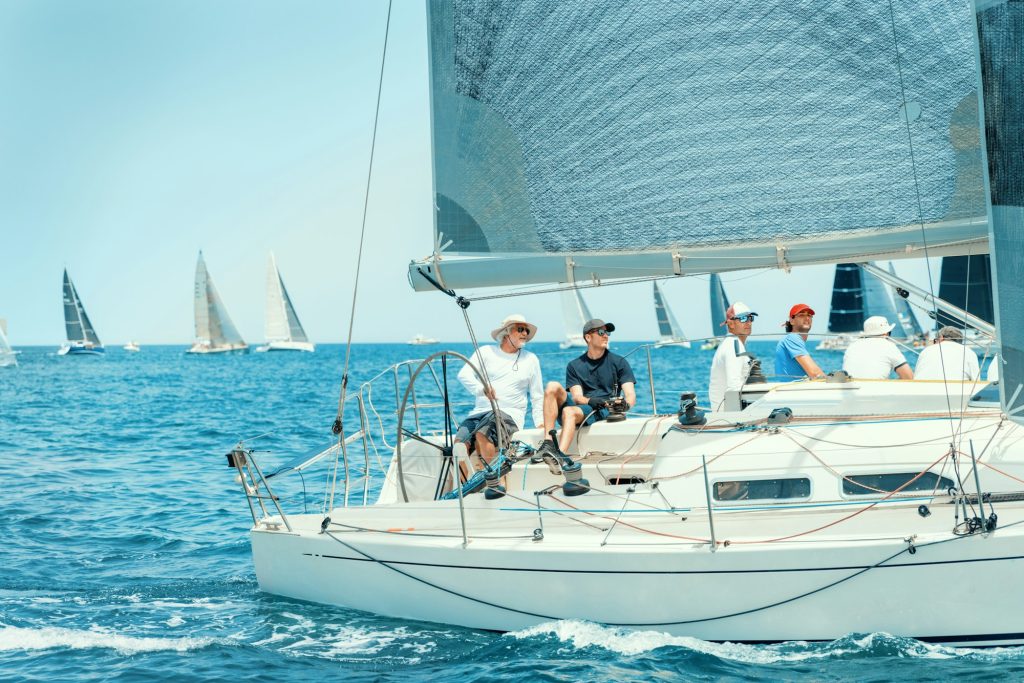
Safety on the water is paramount, and the best way to ensure that everyone on board knows how to respond in an emergency is through regular safety drills. Practicing these drills can help prevent accidents, save lives, and make your boating experience more enjoyable and stress-free. Here are essential safety drills every boating crew should practice.
1. Man Overboard (MOB) Drill
A man overboard situation is one of the most critical emergencies. Quick and effective response is crucial:
* Shout “Man Overboard!”: Immediately alert everyone on board.
* Point and Maintain Sight: Keep pointing at the person in the water and maintain visual contact.
* Deploy MOB Devices: Throw a life ring, buoy, or any floating device to the person.
* Turn the Boat: Use a Williamson turn or a quick-stop maneuver to bring the boat back to the person in the water.
* Approach Safely: Approach the person from the downwind side to prevent the boat from drifting over them.
* Retrieve: Use a life sling or boarding ladder to help the person back on board.
2. Fire Drill
Fire on a boat can spread quickly, so knowing how to respond is vital:
* Alert the Crew: Shout “Fire!” to alert everyone.
* Identify the Source: Quickly locate the fire and determine its type (electrical, fuel, etc.).
* Use Fire Extinguishers: Ensure everyone knows the location and proper use of fire extinguishers.
* Cut Off Fuel Supply: If it’s safe to do so, turn off the fuel supply to prevent the fire from spreading.
* Evacuate if Necessary: Prepare to abandon ship if the fire cannot be controlled. Make sure life jackets are on and the life raft is ready.
3. Abandon Ship Drill
Knowing how to abandon ship efficiently can save lives:
* Sound the Alarm: Signal the need to abandon ship.
* Don Life Jackets: Ensure everyone is wearing a properly secured life jacket.
* Gather Emergency Supplies: Collect emergency supplies such as the EPIRB (Emergency Position Indicating Radio Beacon), flares, first aid kit, and survival gear.
* Deploy the Life Raft: Inflate and deploy the life raft, if available.
* Board the Life Raft: Ensure everyone gets into the life raft safely, staying calm and helping those who need assistance.
* Stay Together: Use a rope or other means to keep everyone together and wait for rescue.
4. Collision Drill
In the event of a collision, swift action is required:
* Assess the Situation: Determine the extent of the damage and any injuries.
* Check for Leaks: Inspect the hull for breaches and start bilge pumps if necessary.
* Communicate: Alert other vessels and authorities using the VHF radio.
* Provide First Aid: Administer first aid to any injured crew members.
* Prepare to Abandon Ship: If the boat is taking on water rapidly, be ready to abandon ship following the abandon ship drill procedures.
5. First Aid Drill
A well-practiced first aid response can be critical:
* Locate the First Aid Kit: Ensure everyone knows where the first aid kit is stored.
* Basic First Aid: Practice treating common injuries like cuts, burns, and sprains.
* CPR and Rescue Breathing: Ensure at least one person is trained in CPR and rescue breathing.
* Emergency Contacts: Know how to contact emergency services and provide vital information.
6. Navigation and Communication Drill
Efficient navigation and communication are essential, especially in emergencies:
* Chart Reading: Practice reading and interpreting nautical charts.
* GPS Use: Ensure everyone knows how to operate the boat’s GPS.
* VHF Radio Operation: Practice making distress calls and using the VHF radio effectively.
* Signal Flares: Understand how and when to use signal flares.
7. Flooding Drill
Responding to flooding quickly can prevent sinking:
* Identify the Leak: Locate the source of the flooding.
* Use Bilge Pumps: Activate bilge pumps and use manual pumps if necessary.
* Seal the Leak: Use temporary fixes like wooden plugs or repair kits to seal the leak.
* Distribute Weight: Move heavy items to higher ground to keep the boat balanced and prevent further flooding.
Conclusion
Regularly practicing these safety drills ensures that your crew is prepared to handle emergencies efficiently and effectively. Familiarity with these procedures can make all the difference in critical situations, enhancing safety and confidence on the water.
For more safety tips and boating resources, visit www.kitsapsailing.com. Stay prepared, stay safe, and enjoy your time on the water!